

Understanding Panic Attacks and How They Affect the Body
Panic attacks are a sudden surge of intense fear or discomfort that reaches a peak within minutes and is accompanied by strong physical and emotional symptoms. It can feel sudden, overwhelming, and frightening, especially when they appear to come “out of nowhere.” Many people describe panic attacks as feeling like something is seriously wrong with their body or mind, often fearing they are having a heart attack, losing control, or going to faint. While panic attacks are not dangerous, they can have a significant impact on emotional well-being, confidence, and daily functioning if left unsupported.
Panic attacks are the result of the body’s fight-or-flight response activating at a time when there is no immediate danger. While this response is designed to protect us, repeated panic attacks can teach the brain to remain on high alert, increasing sensitivity to bodily sensations and stress.
According to the Australian Institute of Health and Welfare, anxiety-related conditions, including panic disorder, are among the most common mental health concerns in Australia, affecting over 1 in 4 people at some point in their lives.
Psychological Therapy for Panic Attacks
Psychological treatment for panic attacks focuses on education, emotional regulation, and changing the cycle of fear that keeps panic going. At Logic Lounge, therapy is tailored to each individual and grounded in evidence-based approaches such as cognitive behavioural therapy.
Therapy helps clients understand how panic works, identify triggers, and learn practical strategies to respond differently to bodily sensations. Over time, this reduces fear, increases confidence, and helps the nervous system return to a calmer baseline. Developing effective coping skills is a key part of this process, supporting both immediate symptom management and long-term emotional resilience. Our coping skills support offers practical tools that clients can apply in everyday life.
Our Psychology Team Supporting Individuals with Panic Attacks








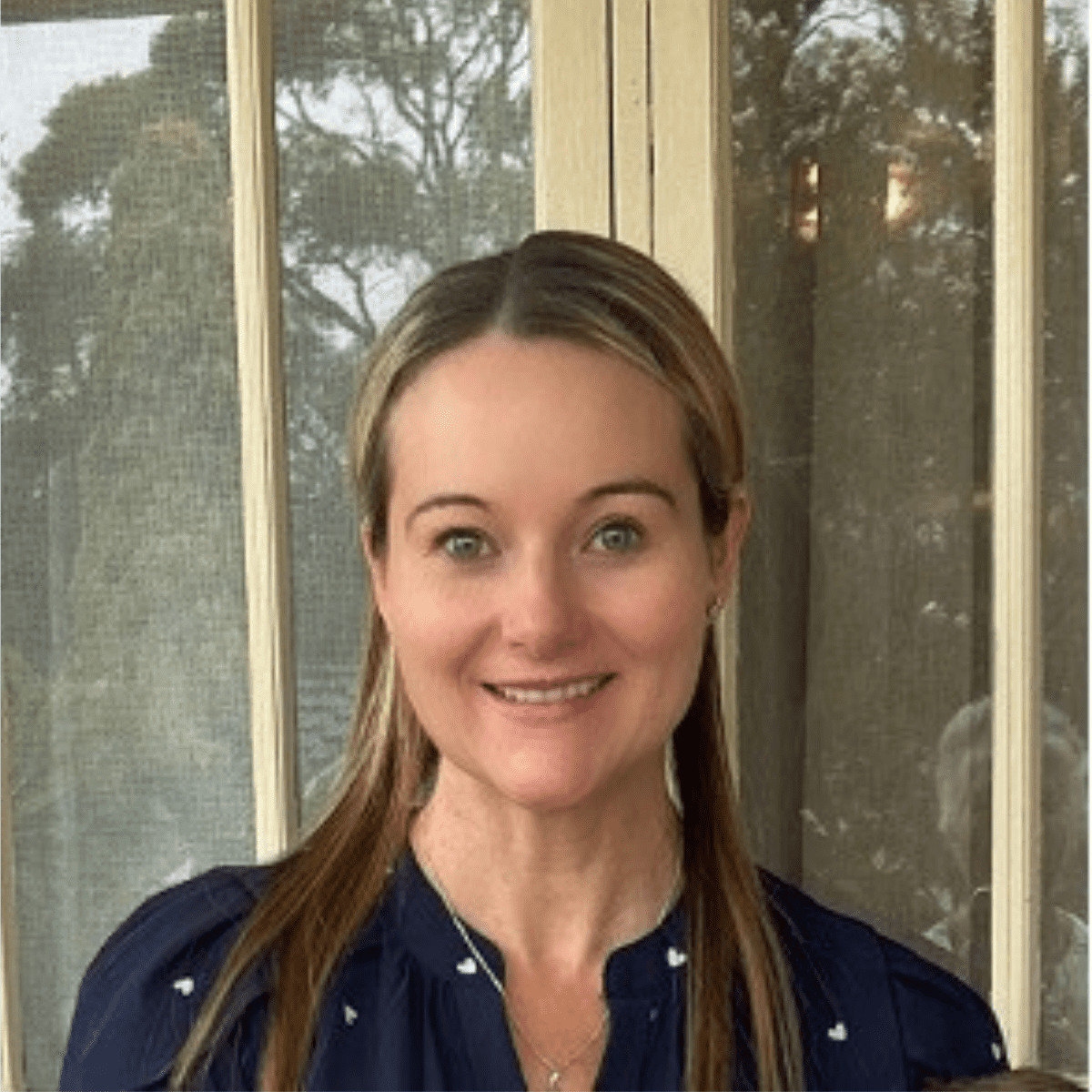











Panic Attacks, Identity, and Sense of Safety
Repeated panic attacks can impact a person’s sense of identity and belonging, particularly when symptoms begin to interfere with work, relationships, or social life. Some people describe feeling disconnected from their previous sense of self or frustrated by their body’s reactions. Therapy can support individuals in rebuilding trust in their body and mind, while also strengthening self-compassion and confidence.
This work aligns closely with our identity and belonging psychology support, where we help individuals feel more grounded, understood, and connected to themselves and others during periods of emotional distress.
The Role of Family and Support Networks
Panic attacks not only affect the individual experiencing them. Partners, family members, and carers may feel unsure how to help or may unintentionally reinforce avoidance through reassurance or accommodation. Psychological support can include education and guidance for loved ones, helping them respond in ways that encourage recovery and emotional independence.
For some clients, family counselling can be beneficial, particularly when panic attacks are impacting family dynamics, communication, or shared routines. You can explore this approach further through our family counselling services.
How Logic Lounge Can Help
At Logic Lounge Psychology, we understand how disruptive and distressing panic attacks can be. Our psychologists provide compassionate and evidence-based care designed to help clients understand their symptoms, reduce fear, and regain confidence in daily life. We work collaboratively, at a pace that feels safe and supportive, focusing not just on symptom reduction but on long-term wellbeing.
With the right psychological support, panic attacks can become less frequent, less intense, and far less frightening, allowing individuals to reconnect with their values, relationships, and goals.
Find the right Psychologist for you
Our find a psychologist search tool allows you to easily find a psychologist or counsellor, tailored to your area of concern, your preferred language and the location that might be closest to you.
Frequently asked questions
Can I see a psychologist online?
Yes. We offer secure telehealth (video call & phone call) appointments.
How long until I can have an appointment?
Once your application is approved, we typically offer appointments within 5–7 days.


